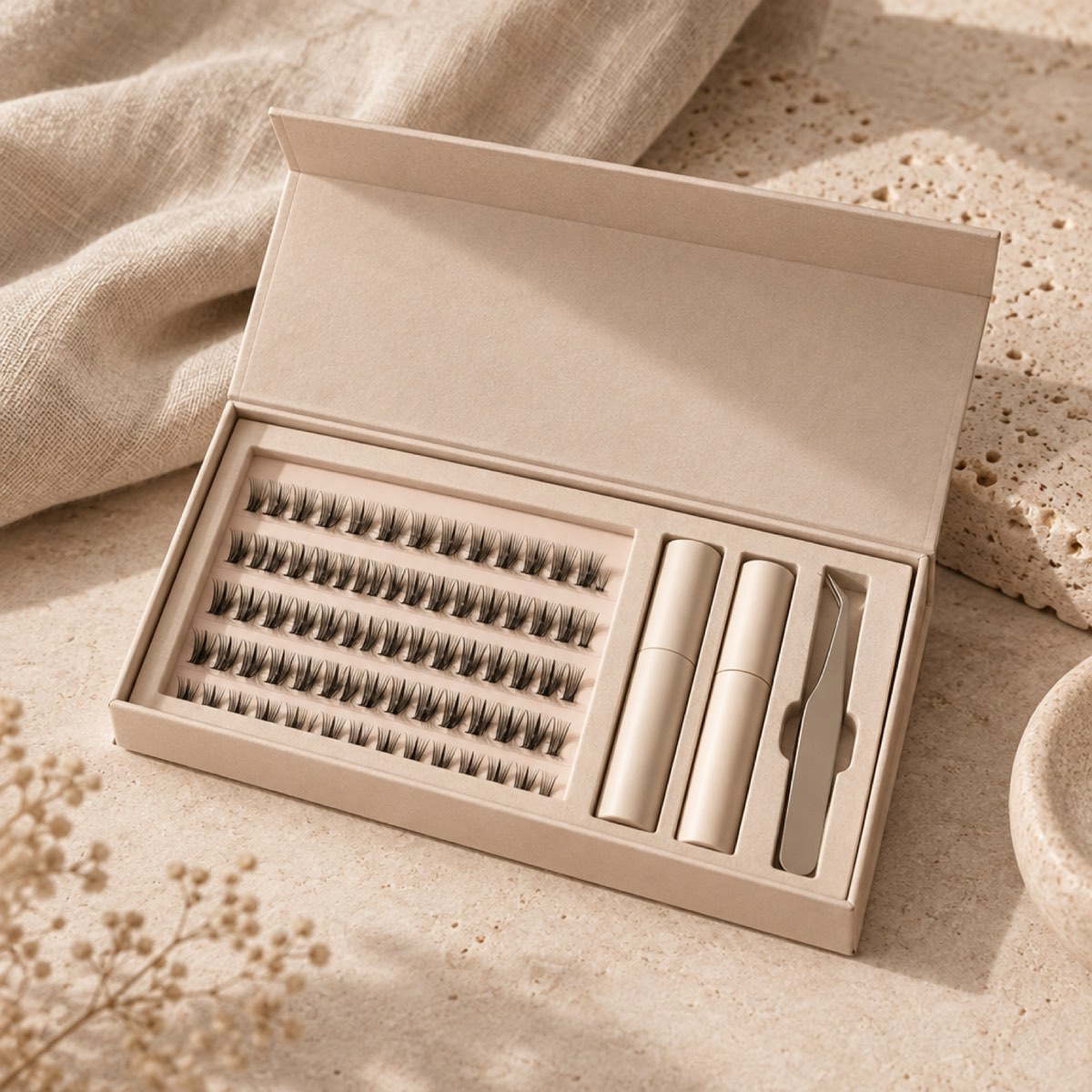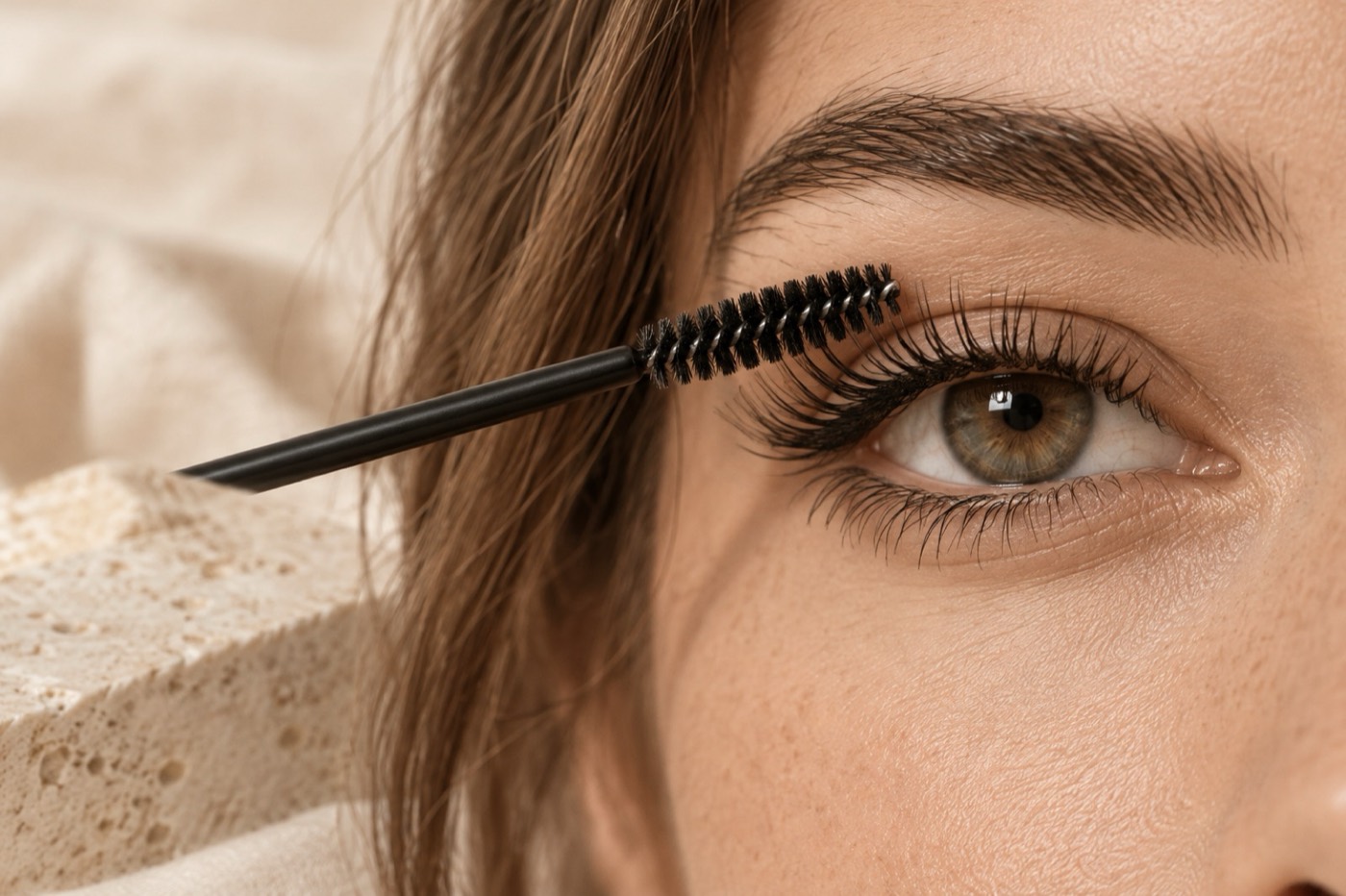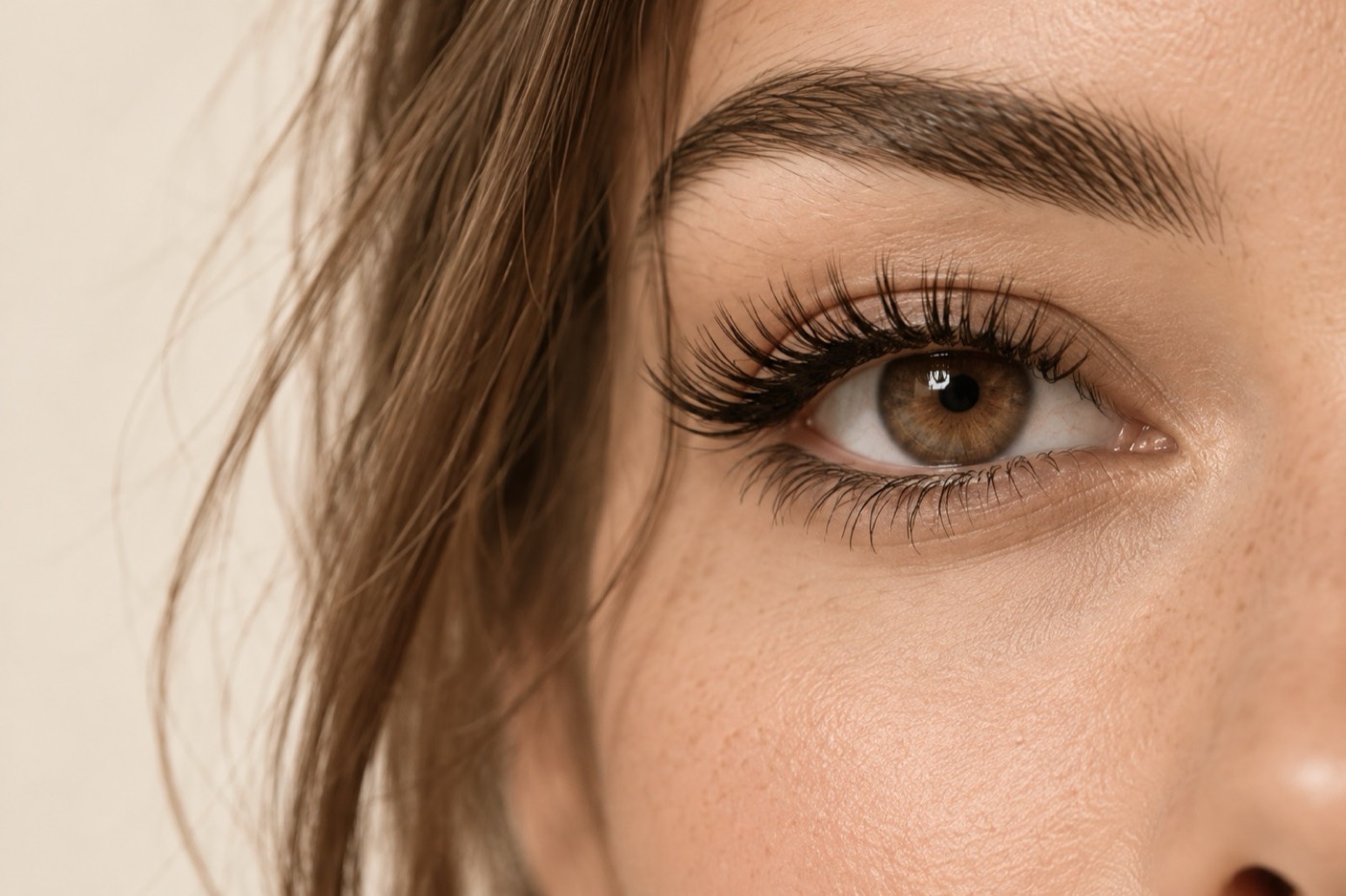
Lash mapping sounds technical, but its central idea is simple: decide where you want length and definition before you begin. A thoughtful plan can create a more cohesive result.
What a lash map actually does
A lash map is a plan for arranging cluster lengths along the lash line. It can make application more deliberate and help you repeat a look that suits you. It is a styling aid, not a reason to ignore manufacturer placement directions.
The natural map
A natural map uses modest changes in length for an understated result. Instead of emphasizing one dramatic section, it typically follows the eye’s existing shape. For more context, a beginner-friendly lash mapping resource can help readers explore related products and techniques without turning the routine into a long shopping list.
The cat-eye map
A cat-eye look builds visual length toward the outer eye. That does not mean the longest piece must sit at the very edge; many people prefer a slight taper for balance.
The doll-eye map
A doll-eye effect emphasizes the center of the lash line to create a more rounded appearance. The transition to shorter sections is important for a cohesive finish.
How to test your preference
Arrange the pieces on a clean surface before use and compare proportions. Start conservatively, then adjust on a future application if necessary. Comfortable placement and appropriate removal should always come before a specific lash silhouette.
Final thoughts
Treat a lash map as a flexible starting point and let your features and comfort guide the final decision.